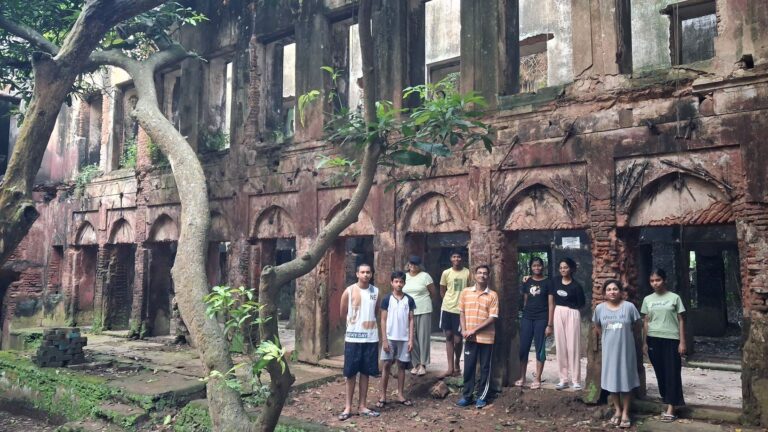
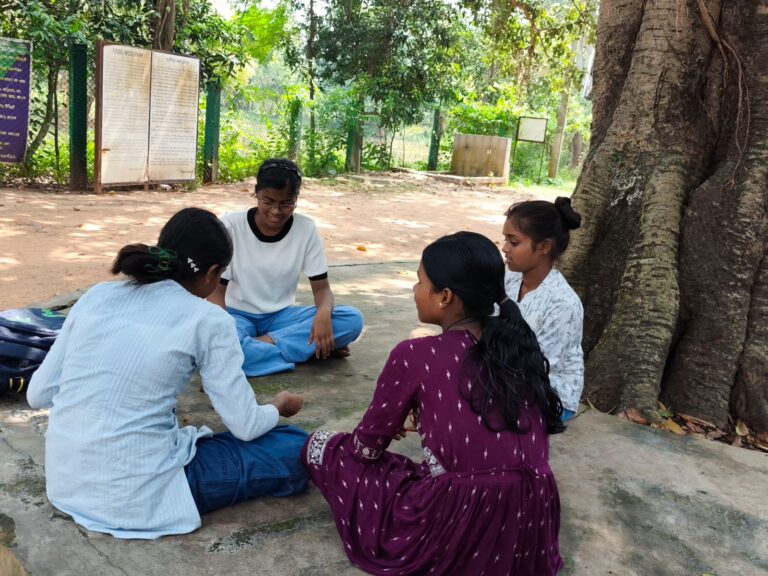
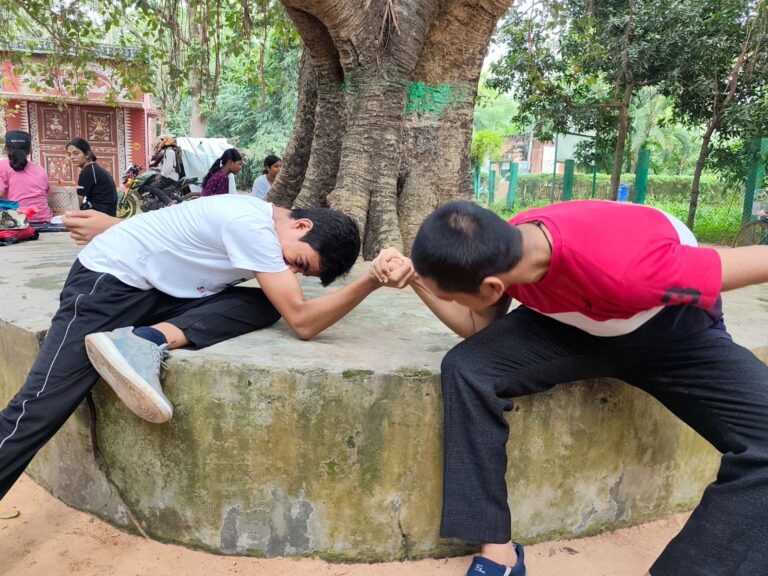
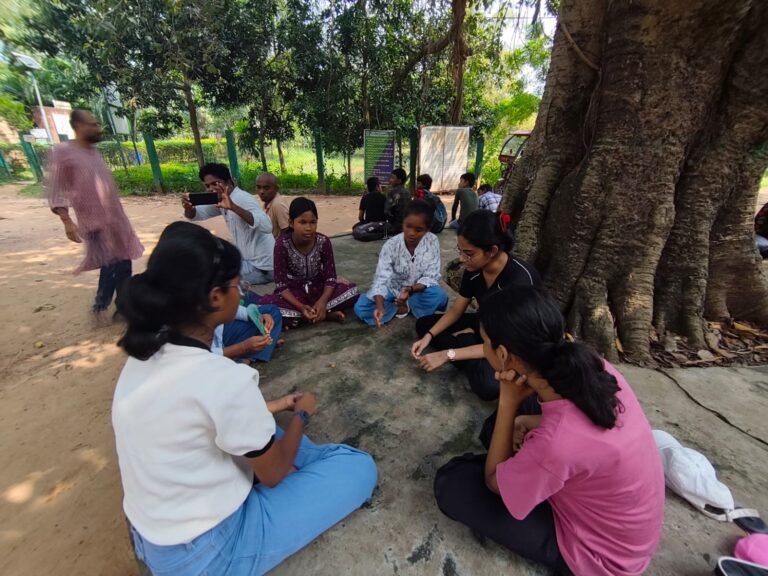
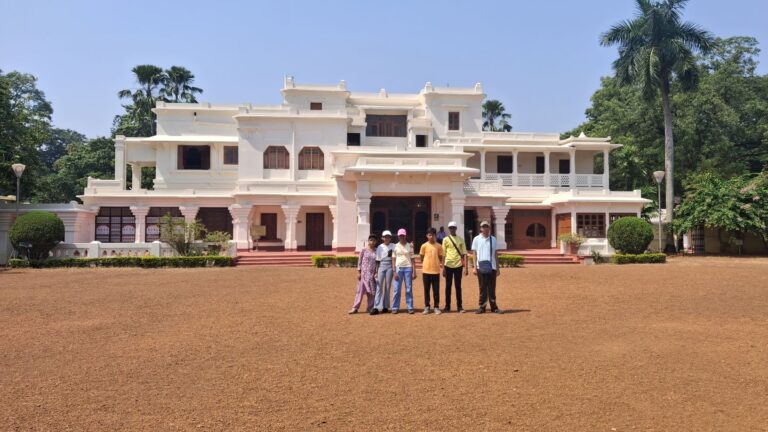
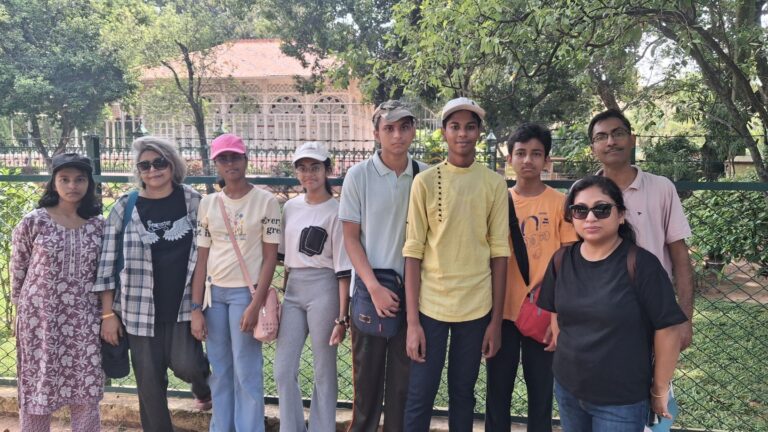
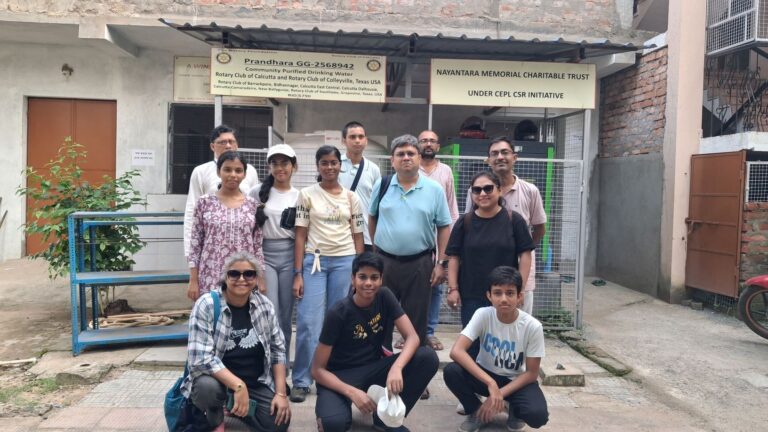
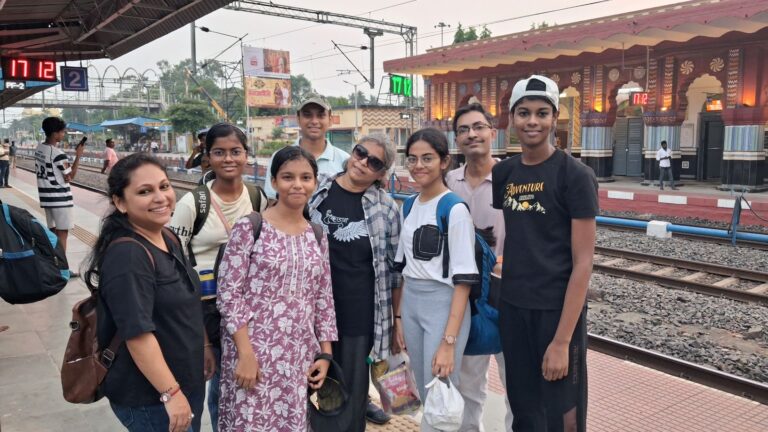
Acccompanied by their Guides, from 1st to 3rd October 2026, the students of the Aspiration Group of Mirraloke went on an excursion to Daronda, near Santiniketan in Birbhum, West Bengal. They were hosted by the Nayantara Memorial Trust at Raipur village, in a portion of the erstwhile Raipur Rajbari that is presently used by the Trust.
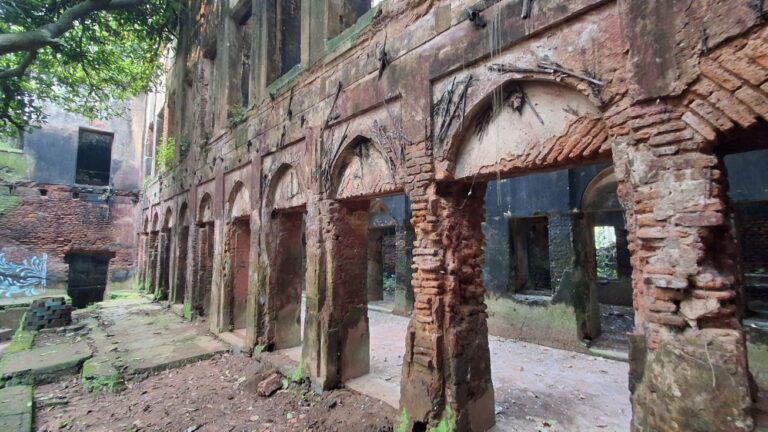
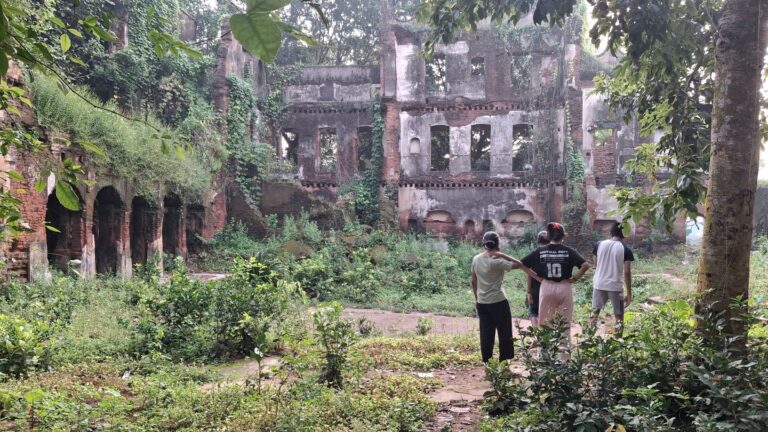
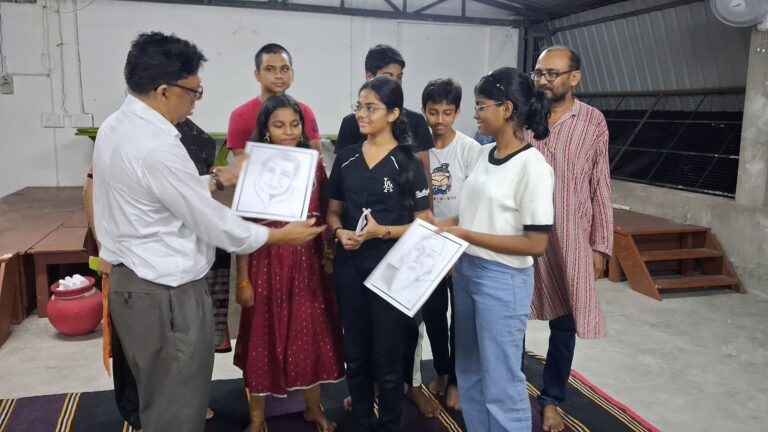
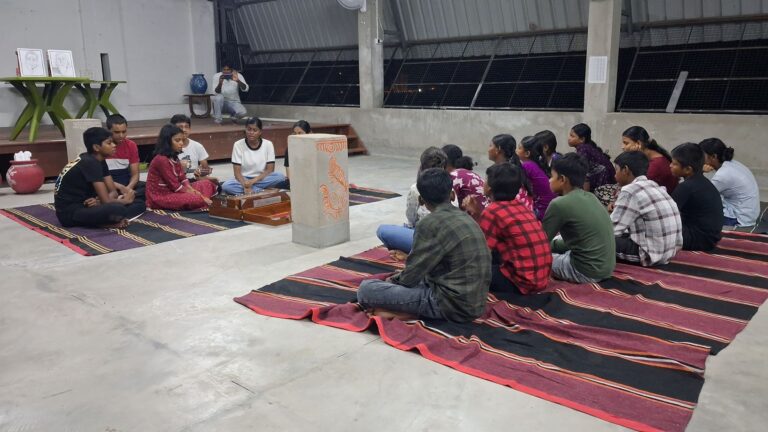
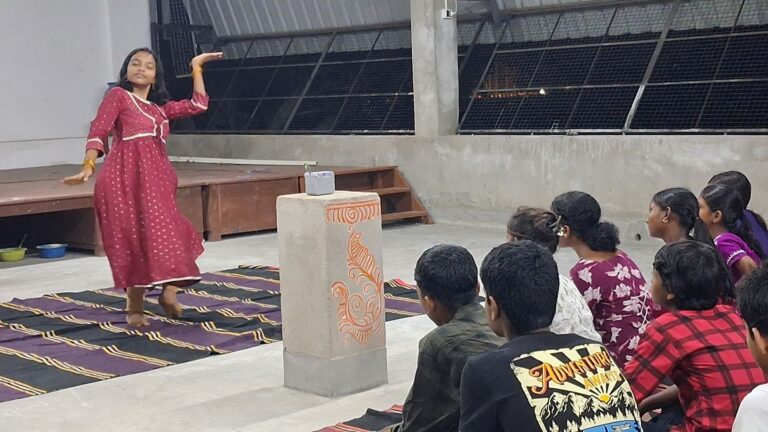
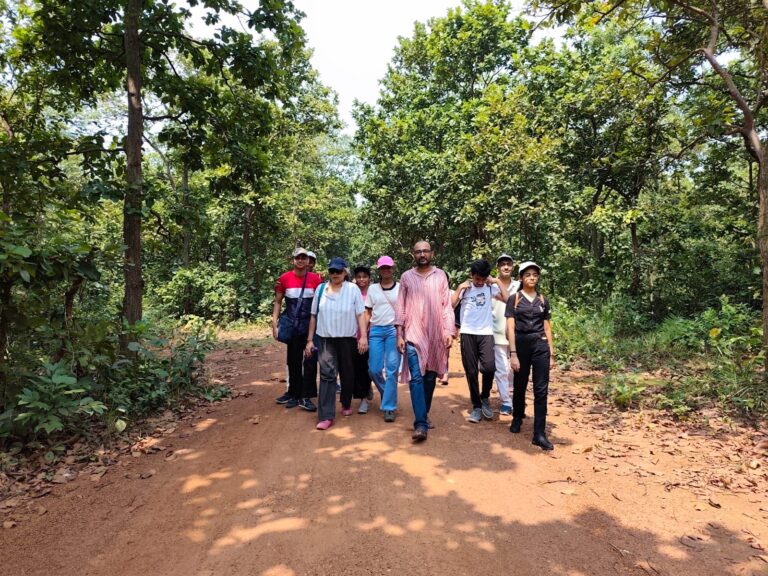
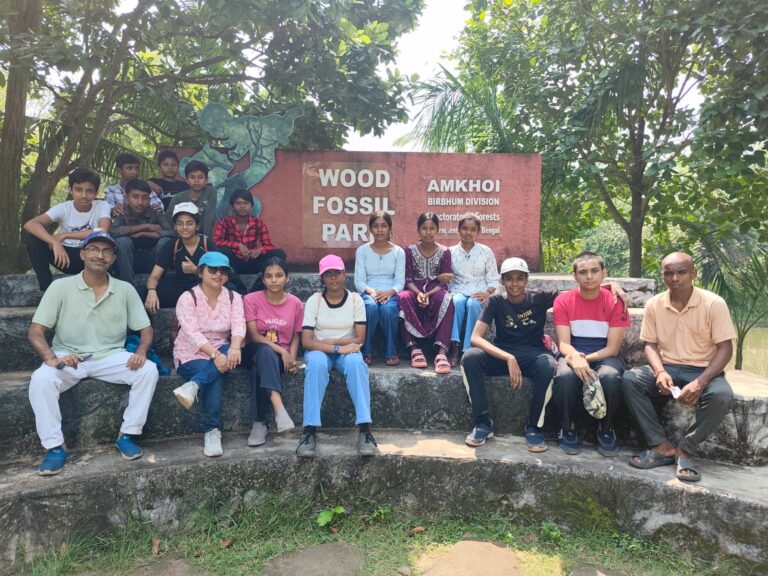
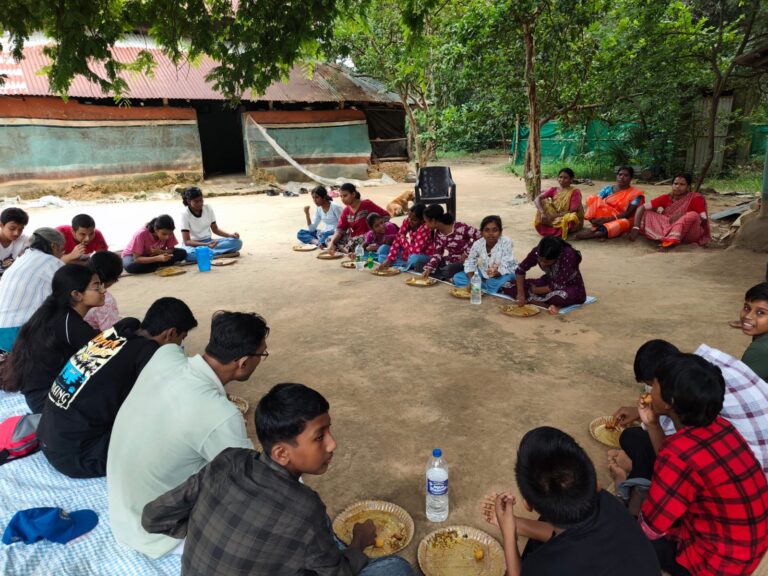
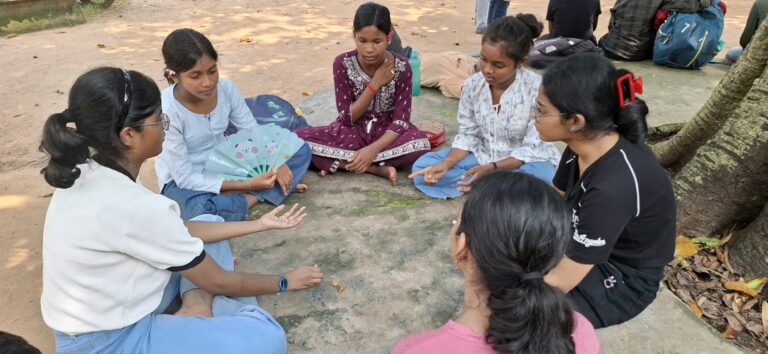
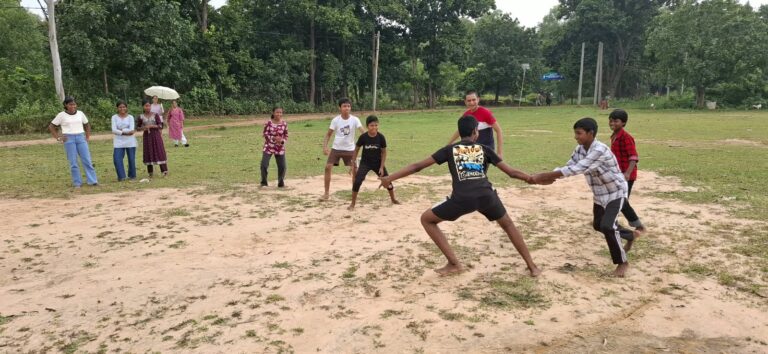
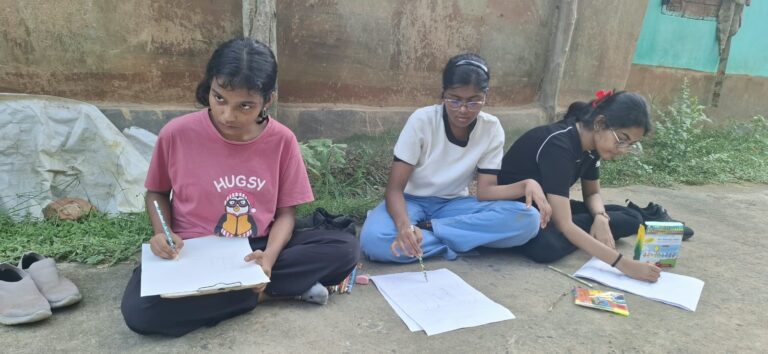
Early in the morning on the day after their arrival, the students visited the ruins of Raipur Rajbari, once the residence of the Sinha zamindar family, whose illustrious son was the renowned Lord Satyendra Prasanna Sinha. They then walked around the village, observing and experiencing the rhythms of rural life. After breakfast, organised by the Nayantara Memorial Trust, the group subsequently followed a forest trail through Choupahari forest to Amkhoi, guided by local village children. At Amkhoi, they visited the Fossil Park and spent time playing with the children who accompanied them, many of whom soon became their new friends. They were then treated to a sumptuous lunch at one of the village homes. The students also had the opportunity to walk through the tribal village and gain a closer understanding of its way of life. An art (drawing and sketching) session followed in the open amidst nature. Coming back and after some rest, in the evening at Daronda, a cultural programme was held where the students of Mirraloke performed chorus songs and dance recitals along with performances by the students of Nayantara. Back to Raipur, after dinner, some time was spent together, reflecting on the day’s experiences and sharing impressions of the places they had visited and the people they had met.
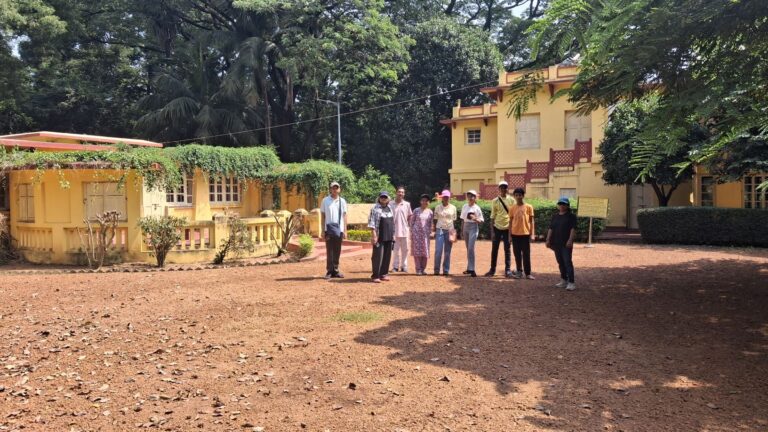
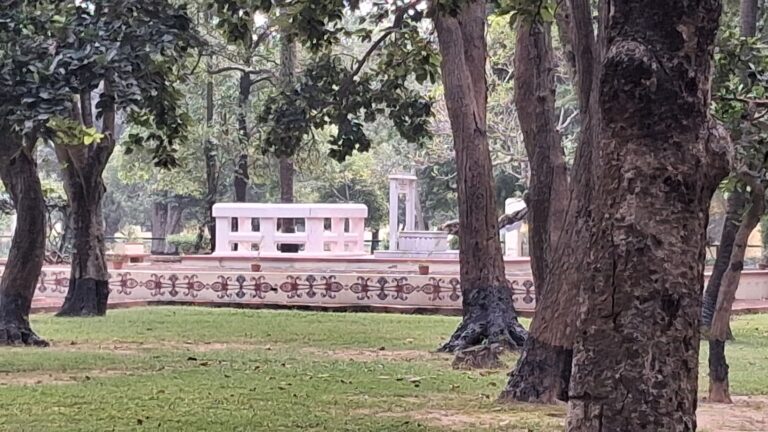
The following day, after breakfast, the group visited the Uttarayan Campus at Santiniketan, where they saw the houses associated with Rabindranath Tagore—Udayan, Konark, Shyamali, Punascha and Udichi. They also visited the Rabindra Bhavan Museum, a biographical museum on Rabindranath Tagore with a collection of memorabilia and artifacts, which offered them a comprehensive glimpse into the life and works of Rabindranath Tagore.
A guided walk around Santiniketan followed. The Guides of Mirraloke introduced the students to several places of historical and cultural significance. These included Chatimtala, where Maharshi Debendranath Tagore, having alighted from his palanquin during a journey, meditated and was inspired to acquire the place for his spiritual pursuits; Santiniketan, the first brick building to come up at the site; and the Upasana Griha, or Kach Mandir, where prayer meetings are held. They also visited Dehali, another house where Rabindranath Tagore lived with his wife Mrinalini Devi and their children during his early years at Santiniketan. They saw Notun Bari, the mud huts that once accommodated Mohandas Karamchand Gandhi, before his active involvement in India’s freedom struggle, with students of the Phoenix School from South Africa. They saw the unique Taladhwaj, the hut built around a palm tree, Ananda Pathshala, the pre-primary section of Patha Bhavana, and the mound Tinpahar.
The excursion came to an end that evening as the group boarded the train from Bolpur and returned to Kolkata, carrying with them memories of a rewarding experience of nature, history, culture, rural life and friendship.